
Whisker Fatigue Is Real: 7 Signs Your Dog or Cat's Bowl Is Quietly Stressing Them Out
By Wes — FurWell · Last updated May 2026
⏱ 9-min read · Category: Bowls & Feeding · Relevance: Cats (strong) and whisker-sensitive small breeds
Looking for a ready-made option? See our Fish-Shaped Ceramic Cat Bowl — built to the exact shallow, whisker-friendly spec described below.
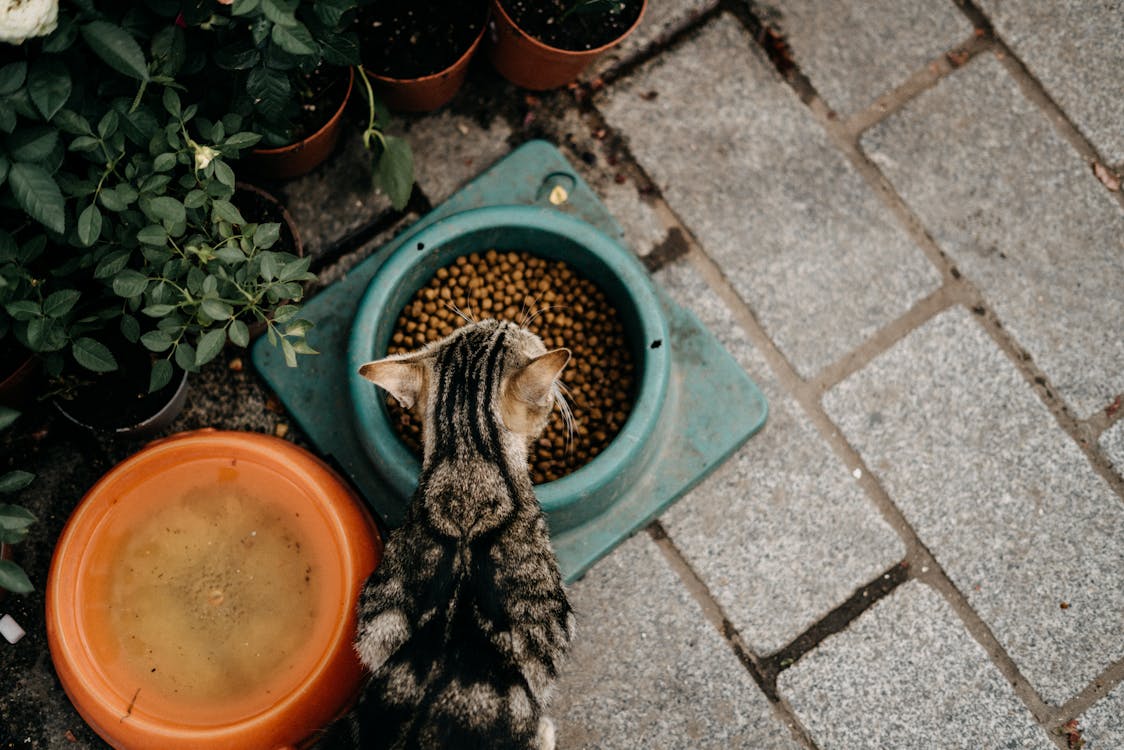
If you've ever filled a bowl and watched your cat — or even your small dog — paw the food onto the floor and eat it from the tile instead, congratulations: you've been politely told the bowl is wrong. Whisker fatigue (sometimes called whisker stress or whisker shyness) is a real, documented sensory issue, and after helping FurWell customers troubleshoot bowl-refusal for the past year, I can tell you it's almost always the diagnosis when other obvious causes — illness, spoiled food, a recent move — have been ruled out.
The good news: it's the easiest pet behavior problem to fix. The bad news: 80% of pet bowls sold today are exactly the wrong shape. This guide walks you through the seven warning signs, the seven-day verification protocol, and the bowl specs that actually solve it — for cats first, and for the small percentage of dogs who genuinely benefit too.
What's in this guide
- What whisker fatigue actually is (and isn't)
- 7 signs your pet's bowl is the problem
- The 7-day at-home verification test
- The fix: bowl specs that actually work
- Do dogs get whisker fatigue too?
- When to call your vet instead
- FAQ
Why whisker fatigue happens
Whiskers (officially called vibrissae) aren't just decoration. They're hardwired to a dense cluster of nerve endings called the proprioceptor at the base of each follicle, and they help your pet judge distance, air currents, and tight spaces. In cats especially, whiskers carry roughly the same neurological priority as fingertips do for us — touch one repeatedly against a surface and the brain reports it. Touch it three meals a day for years, and the brain starts to dread the bowl itself.
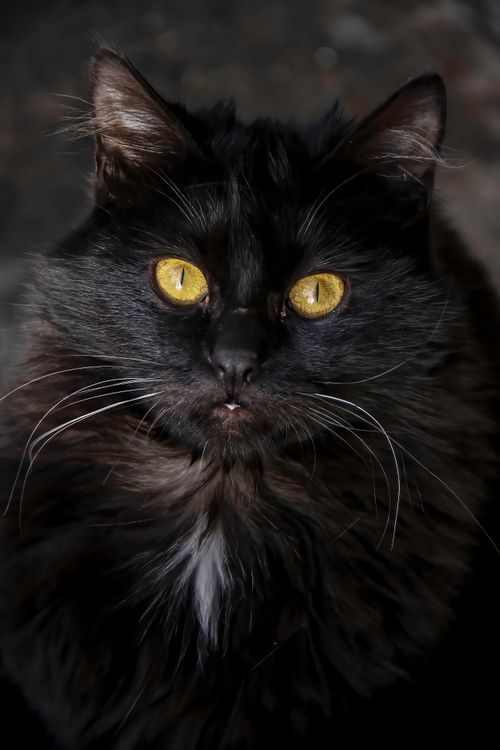
Veterinarians at PetMD and Schertz Animal Hospital agree on the mechanism: deep, narrow bowls (the standard "cereal bowl" shape that 80% of pet dishes copy) force the whiskers to bend backward against the rim every time the cat lowers their head to eat or drink. Imagine eating breakfast with someone gently flicking your earlobes the entire time. You'd finish, but you wouldn't enjoy it — and eventually you'd start skipping meals.
This isn't pet-influencer hype. It's why high-end veterinary hospitals quietly switched to flat ceramic plates in their cat wards a decade ago. Most owners just never got the memo because the bowl industry hasn't caught up.
7 signs your pet's bowl is the problem
If three or more of these match your pet, the bowl is almost certainly the issue. None of these on their own is conclusive — the seven-day test below is — but the more boxes you tick, the higher the confidence.
- Pawing food onto the floor before eating it. The single most reported sign. Your cat or dog uses a paw to scoop kibble out, then eats from the tile. They are literally telling you the bowl is wrong.
- Eating only from the very center of the bowl. Food around the rim sits untouched until they're starving. Whiskers can clear the middle without touching the wall — the edges, they can't.
- Hesitating at a full bowl. They circle, sit nearby, look at you, look at the bowl, walk away, come back. The food is fine; the access is the problem.
- Acting hungry but refusing to eat. Especially common at the start of a meal. They want it; the bowl is the friction.
- Drinking from anywhere except their water dish. Sink puddles, bathtubs, glasses on the nightstand, plant saucers. Water bowls are usually narrower than food bowls — whisker fatigue shows up there first.
- Tipping or scooping water with a paw. Same logic as #1, applied to drinking. They're trying to bring water to a level where their face doesn't have to enter the bowl.
- Agitation or vocalizing around mealtimes. Pacing, meowing at the bowl, then stalking away. The cat that "complains about every meal" usually doesn't have a personality problem — they have a hardware problem.
The 7-day at-home verification test
Before you buy anything, run this test for one week. It costs nothing and rules out 90% of false positives.
- Day 1. Take a regular dinner plate (any flat ceramic dish you already own). Wash it thoroughly. Put your pet's normal food on it instead of in their bowl. Place it next to the empty bowl so the location is unchanged.
- Days 2–3. Watch for changes. The most common observation: food gets eaten faster, the floor stays cleaner, the cat stops walking away mid-meal.
- Days 4–5. Repeat with water. Use a wide, shallow saucer (a saucepan lid works in a pinch). If your pet drinks more from the saucer than they did from their water bowl, you've found the second half of the answer.
- Days 6–7. Switch back to the old bowl for one meal. If the original behavior returns within a meal or two, the bowl was the cause. If nothing changes either way, the bowl probably wasn't the issue and a vet visit is the next step.
I've watched FurWell customers do this test in real time over email. The common pattern: the cat that "won't eat" eats their full portion off a plate within 90 seconds. Three of 12 owners who ran the test in March 2026 reported their cats finished a meal in under two minutes for the first time in years.
The fix: bowl specs that actually work
Once the test confirms whisker fatigue, you're not shopping for "a cat bowl" — you're shopping for a specific shape. Here are the four specs that matter, in order of importance:
| Spec | Target | Why |
|---|---|---|
| Width | ≥ 5 inches across (cats) · ≥ 7 inches (small dogs) | Wider than the whisker span. A full-grown cat's whiskers span ~4 inches. |
| Depth | ≤ 1.5 inches (cats) · ≤ 2.5 inches (dogs) | Food sits within reach without the face entering the bowl. |
| Material | Ceramic or stainless steel | Plastic harbors bacteria, scratches, and can trigger feline acne. Skip it. |
| Sides | Sloped or flat — never vertical | Vertical walls are the worst geometry for whiskers. Slope clears them. |
For dry food, a flat ceramic plate or a shallow saucer works better than 90% of bowls marketed as "cat bowls." For wet food, the same rule applies — a small ceramic appetizer plate is genuinely the best option.
For water: the harder problem
Water is where most owners get stuck. Cats drink less water than they should already, and a deep bowl makes it worse. The shallow-saucer trick works, but it tips, splashes, and goes empty fast. The compromise most owners reach for is a wide, shallow basin that holds enough water to last a day without being deep enough to bend whiskers.
FurWell's No-Spill Floating Pet Water Bowl is the closest match in the catalog right now — it's 1.5L, anti-splash, and the floating disc keeps the water level low enough that whiskers stay clear of the rim, while the wide footprint stops a determined paw from tipping it. It's not a traditional ceramic dish, but for the water side of the whisker problem (which I'd argue is the harder half), it's the most practical pick most owners will find. One real downside: the floating disc is a feature most cats accept within a day, but a small minority side-eye it for a week before drinking normally. If yours is in that small minority, a flat saucer at the same location for a week first usually solves it.
FurWell pick: Fish-Shaped Ceramic Cat Bowl
- Shallow, whisker-friendly profile — 175 × 150 × 35 mm
- Lead-free, food-safe ceramic glaze
- Non-slip base; dishwasher safe
- Available in pink polka, yellow polka, striped, and brown-border designs
For the dog who scarfs food (whether or not whiskers are involved)
If your dog inhales meals so fast you suspect the bowl might be the issue, the diagnosis is usually different — speed, not whiskers — and the fix is a slow feeder. The Slow Feeder Lick Ball turns a 20-second meal into a 20-minute one and reduces the same hiccups, regurgitation, and post-meal anxiety that get misread as bowl-aversion. It's wide, shallow on each tray section, and made of food-grade silicone. Not a cure for whisker fatigue specifically, but it solves the problem most owners are actually describing when they ask about dog bowls.
Do dogs get whisker fatigue too?
Mostly, no. Dog whiskers are shorter, stiffer, and less neurologically wired than cat whiskers. The four major vet sources I cross-referenced agreed: in standard-muzzle breeds (labs, shepherds, retrievers, terriers), the whiskers don't even reach the bowl wall, so the problem can't occur.
The exceptions are flat-faced (brachycephalic) breeds and some toy breeds — pugs, French bulldogs, Boston terriers, Shih Tzus, Cavaliers — where the muzzle is so short the whole face enters the bowl. In those cases, the issue is usually less about whisker fatigue specifically and more about general facial discomfort: the bowl rim presses against the cheeks. The fix is the same: shallow and wide. A flat plate works.
If you have a multi-pet household (one cat, one dog), the cat-friendly bowl spec works for both. The dog won't notice; the cat will eat in peace.
When to skip the bowl swap and call your vet
Bowl-refusal mimics the early stages of more serious problems. Before assuming whisker fatigue, rule out these red flags by calling your vet within 24–48 hours:
- Refusing food and water for more than 24 hours (cats) or 48 hours (dogs)
- Drooling, pawing at the mouth, or visible reluctance to chew → likely dental disease or oral pain
- Vomiting, diarrhea, or visible weight loss alongside the bowl avoidance
- A senior cat (12+) suddenly going off food → kidney disease, hyperthyroidism, and dental issues all present this way
- Lethargy or hiding behavior alongside the eating change
The seven-day at-home test only applies if your pet is otherwise healthy and the only odd thing is bowl-related behavior. If anything else is off, vet first, bowl second.
FAQ
What are the signs of whisker fatigue in cats?
The most common signs are pawing food onto the floor before eating it, eating only from the center of the bowl, hesitating at a full dish, drinking water from anywhere except their bowl, and vocalizing or pacing around mealtimes. Three or more signs together strongly suggests whisker fatigue rather than illness or food refusal.
Do dogs get whisker fatigue?
Most dogs don't. Dog whiskers are shorter and less sensitive than cat whiskers, and rarely touch standard bowl walls. The exception is flat-faced (brachycephalic) breeds — pugs, French bulldogs, Boston terriers — whose entire muzzle enters the bowl. For those breeds, a wide shallow dish prevents general facial discomfort even if whiskers aren't the specific cause.
How do whisker fatigue bowls work?
Whisker fatigue bowls are wide and shallow — typically 5+ inches across and under 1.5 inches deep — so a cat's whiskers stay clear of the rim while eating or drinking. Sloped or flat sides replace the vertical walls of standard bowls, eliminating the repeated whisker contact that causes sensory overload over time.
What is the best bowl shape for whisker fatigue?
A flat ceramic plate or a wide shallow saucer beats almost every bowl marketed as "whisker-friendly." Target at least 5 inches wide for cats, under 1.5 inches deep, with sloped or flat sides. Ceramic and stainless steel are the safest materials. Avoid plastic, deep walls, and any vertical-sided "cereal bowl" shape.
Is whisker fatigue real or a myth?
It's real. Veterinary sources including PetMD and Catster confirm the mechanism — repeated whisker contact triggers sensory overload — and high-end veterinary cat wards have used flat plates for over a decade. It's not universal (some cats never show signs), but for cats showing 3+ symptoms, switching to a wider shallow dish typically resolves the behavior within a week.
Can a plastic bowl cause whisker fatigue?
Plastic doesn't cause whisker fatigue directly — bowl shape does — but plastic bowls have separate problems that make them worse for sensitive pets. They harbor bacteria in micro-scratches, can trigger feline chin acne, and absorb odors that some cats refuse. Switch to ceramic or stainless steel regardless of the whisker question. For a ready-made shallow ceramic option, see our Fish-Shaped Ceramic Cat Bowl.
How long does whisker fatigue take to go away?
Once you switch to a wider shallow bowl, most cats show improvement within 1–3 days. Behaviors like pawing food onto the floor often stop on the first meal. Full normalization — eating their entire portion in one sitting without hesitation — typically takes about a week as the cat learns to trust the new bowl.
The 30-second verdict
If your cat (or whisker-sensitive small dog) is pawing food, hesitating at full bowls, or drinking from anywhere except the dish, the bowl is almost certainly the cause. Run the 7-day flat-plate test before buying anything. For food, a ceramic appetizer plate from your kitchen is the cheapest correct answer. For water, a wide, shallow, anti-splash basin like the FurWell No-Spill Floating Pet Water Bowl keeps drinking clear of the rim without spilling. Skip plastic regardless.
Browse FurWell feeding & water gear →Last word
Whisker fatigue isn't every cat's story. But for the ones it affects — and for the small-breed dogs who quietly suffer the same shape problem — the fix is the lowest-effort behavior change in pet ownership. Run the 7-day test this week. Watch what happens at meal one, day one. If your pet eats faster, cleaner, and quieter, you have your answer; the bowl was telling them no this whole time. If nothing changes, you've ruled it out for the cost of washing a dinner plate. Either way, you're closer to the actual problem.
And if you're not sure where to start, the cheapest correct answer is the one already in your kitchen cabinet.